
Understanding state laws regarding civilian taser ownership is crucial to avoid Pacemaker Interference With Stun Guns. Each U.S. state has unique regulations on permit requirements, waiting periods, and restrictions based on age, criminal history, mental health, and pacemaker presence. Some states offer protections for pacemaker users, while others exempt self-defense use. Staying informed ensures compliance, enhances safety, and prevents harm to users with pre-existing heart conditions.
“In recent years, civilian taser ownership has gained attention due to their increasing availability and perceived benefits for self-defense. However, navigating the legal landscape of state laws on taser ownership is crucial. This article explores the varying requirements and regulations surrounding civilian taser possession, with a particular focus on understanding pacemaker interference as a significant concern with stun guns. By delving into these legal nuances and health risks, we aim to provide clarity for prospective owners.”
- Understanding State Laws on Civilian Taser Ownership
- Pacemaker Interference: A Major Concern with Stun Guns
Understanding State Laws on Civilian Taser Ownership

Understanding state laws regarding civilian taser ownership is crucial before considering acquiring one. Each U.S. state has its own set of regulations, varying from strict prohibitions to relatively lenient policies. These laws cover aspects like permit requirements, waiting periods, and restrictions based on age, criminal history, and mental health status. One critical consideration is the potential interference with pacemakers, as stun guns can emit electrical pulses that might affect these medical devices.
Several states have incorporated measures to protect individuals with pacemakers, mandating specific distances or conditions under which a taser can be used around such patients. Additionally, some states offer exemptions for self-defense purposes, recognizing the potential for individuals to protect themselves or others in dangerous situations. Staying informed about these state laws is essential to ensure compliance and enhance personal safety without causing harm to oneself or others.
Pacemaker Interference: A Major Concern with Stun Guns
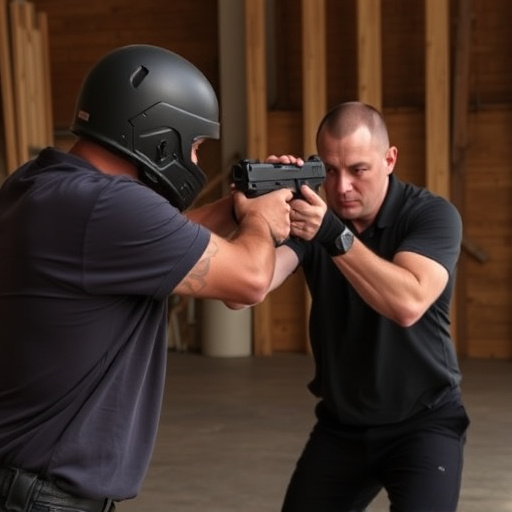
One significant concern surrounding stun guns, including civilian-owned tasers, is their potential to interfere with pacemakers. People with heart conditions who rely on these devices for life-saving treatment need to be especially cautious when considering stun gun ownership. The electrical current emitted by a taser can potentially disrupt the normal functioning of a pacemaker, leading to dangerous consequences for the user.
This issue highlights the importance of state laws that regulate taser ownership and use. Some states have implemented specific guidelines to protect individuals with pacemakers, ensuring their safety in situations where stun guns might be employed. Understanding these regulations is crucial for both users and medical professionals, as it allows for a more informed approach to civilian taser ownership, especially for those with pre-existing heart conditions.
In conclusion, understanding state laws regarding civilian taser ownership is crucial for ensuring safety and responsible usage. While many states allow personal stun gun possession, there are notable exceptions and restrictions, especially concerning medical devices like pacemakers. Awareness of these legal requirements and potential health risks associated with pacemaker interference from stun guns is essential to prevent harm and navigate the legal landscape effectively.